
How to Pick the Right Cartridge for Your Brand

Thanks to an economically driven evolution for vape businesses to stand alone, or to meet moving target compliance requirements, rapid cannabis vape cartridge development is happening right before our eyes! Cartridges are small yet complex hardware devices in the smoke-vape industry.
Introduction
Fundamentally, a Cartridge is a small oil/wax/resin holding device with a multitude of components that now come in an increasing volume of variances from size, complexity, coil types, material types, shapes, and colors.
All of these components and more factor into the look, feel, and experience from cartridge devices.
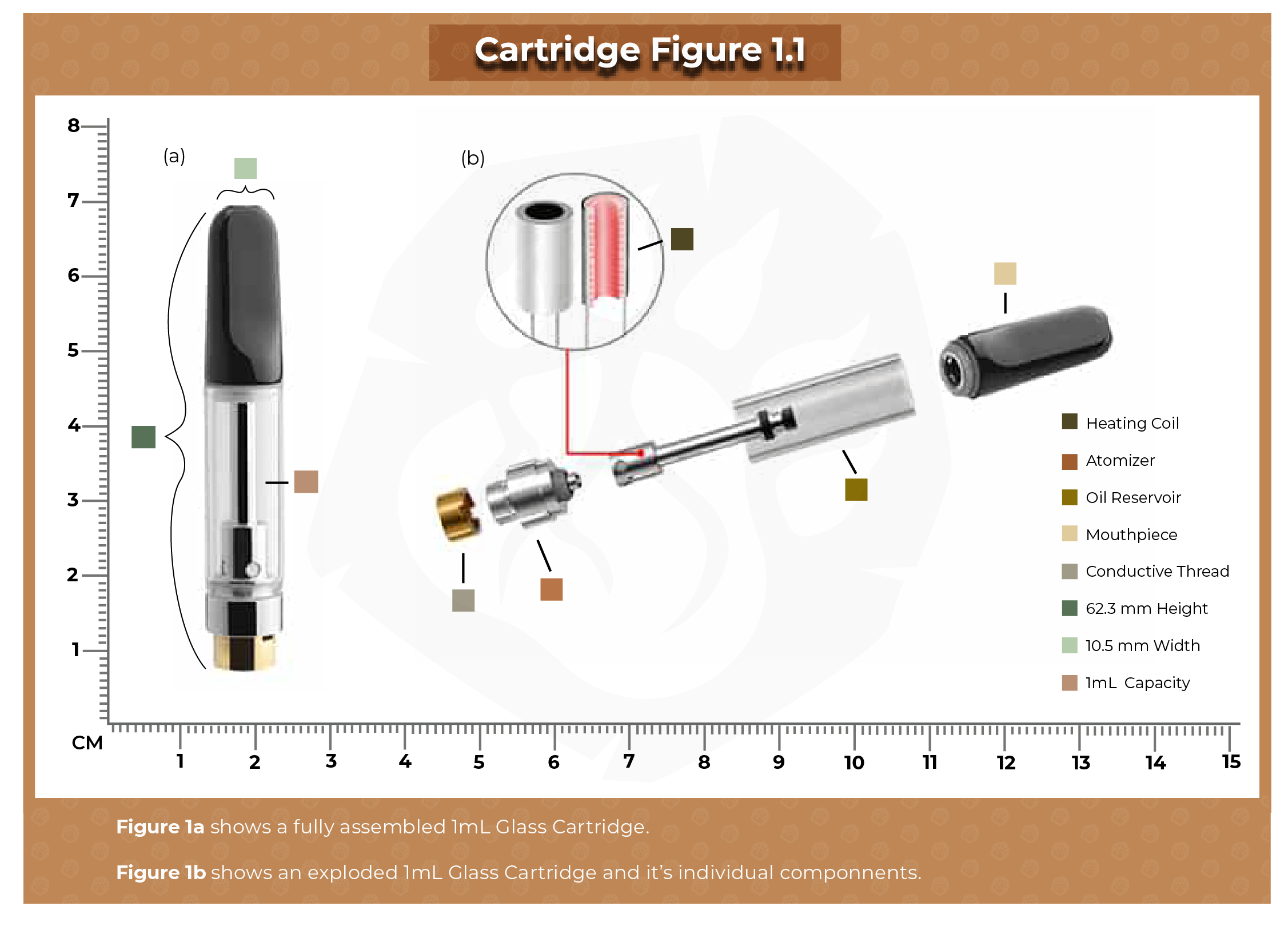
It's good to first point out that a customer's vaping experience is not solely dependent on the medium's holding device – aka Cartridge – another contributing factor is also the vape pen battery that energizes the cartridge itself during use.
Different Mouthpiece Options
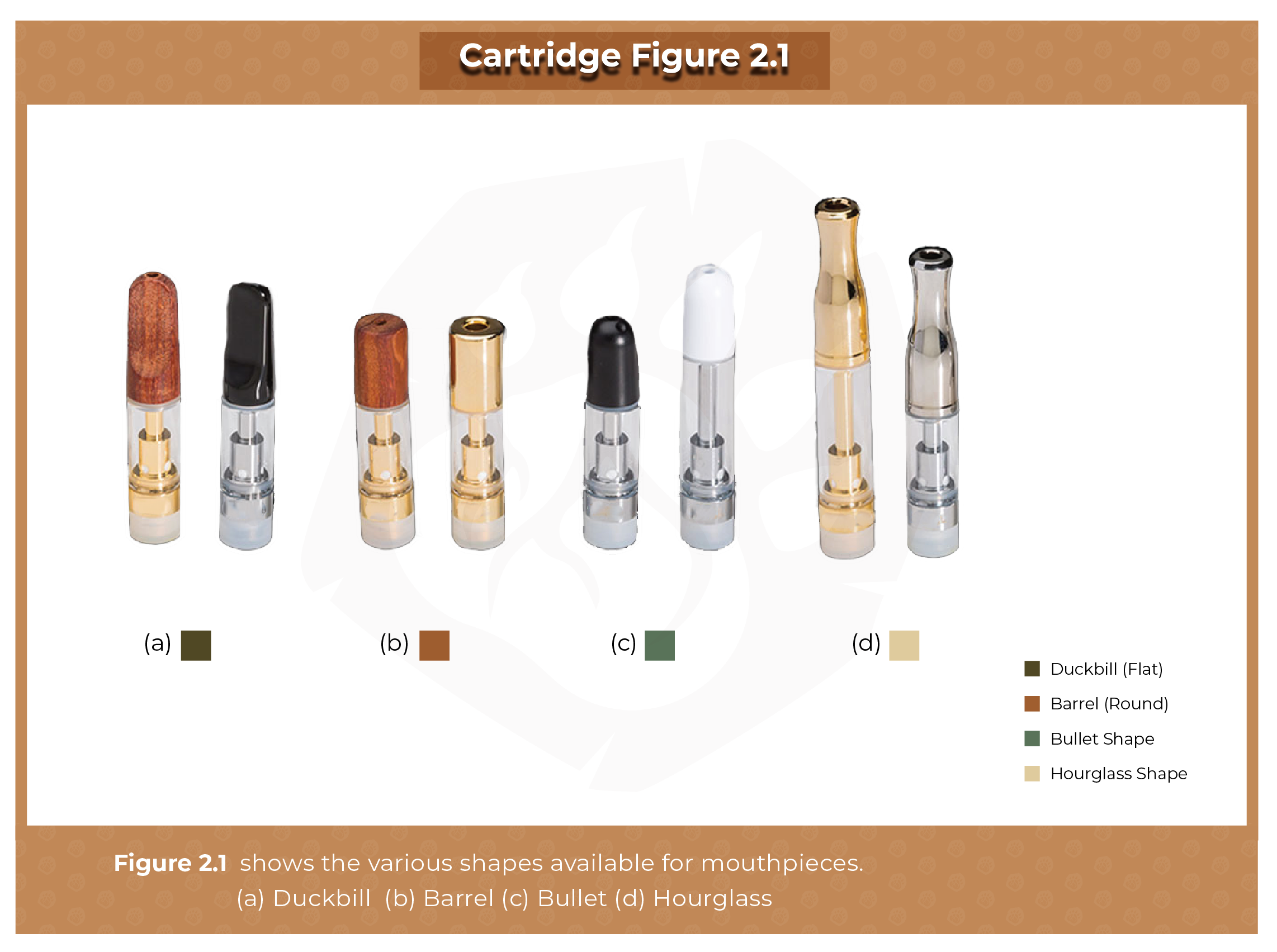
One of the first major questions to consider when choosing a cartridge is the mouthpiece. There are many types and shapes of cartridge mouthpieces to offer to customers. Similar to the base and tank of a cartridge, there are options of materials for a mouthpiece. The four basic materials are plastic, ceramic, metals, and wood.
Material Pros & Cons
- Ceramic: Less porous, BPA Free, premium feel. Customer preferred.
- Plastic: Cost-effective, can be porous, may affect taste over time.
- Metal/Wood: Unique aesthetic options for brand differentiation.

What sizes are available?
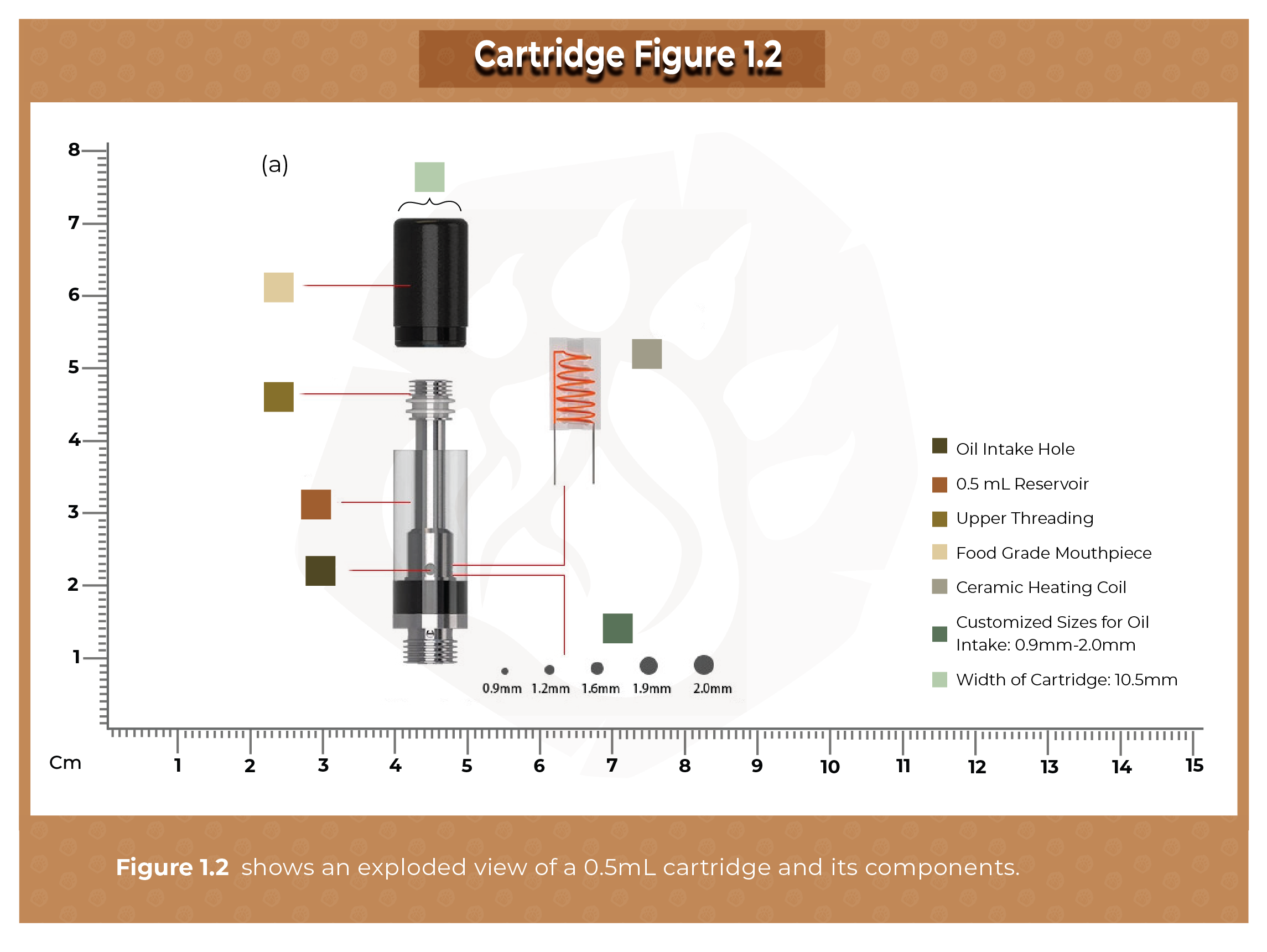
The next decision to make is about the sizing of the cartridge. There are generally three main sizes available on the market: 0.3 ml, 0.5ml and 1.0ml. These are also referred to as a third gram, half a gram, and full gram depending on the manufacturer.

The 1ml cartridge will not work as well as a 0.5ml or 0.3ml cartridge because of its size.
All sizes work the same. The heating element is designed for that specific size. The difference is storage capacity.
Some Reservoirs are not filled up all the way.
This is "Head Space". Oil settles into the coil chamber. The weight is accurate, but gravity makes it look partially filled.
Glass or Polycarbonate Tank?
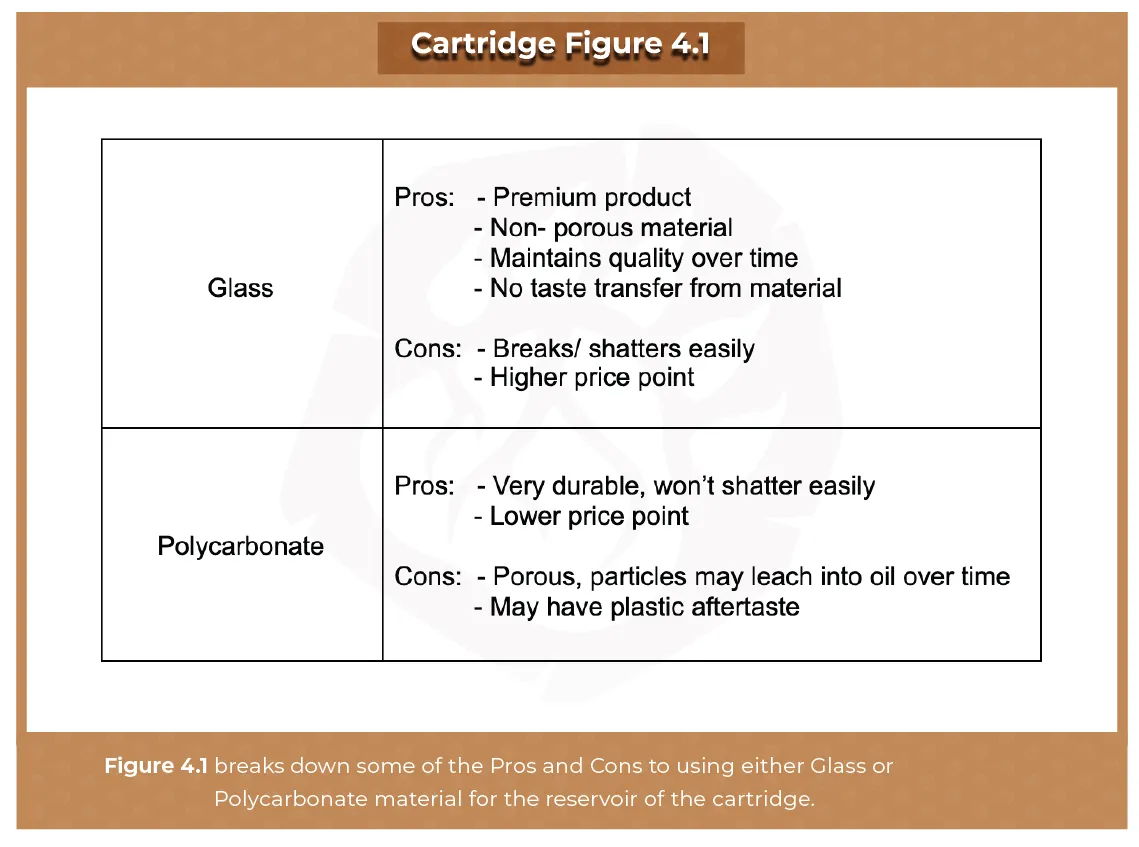
Material variances have two primary categories: Glass & Polycarbonate (hard plastic). To the naked eye, it is really hard to tell one apart.
Atomizers & Coils
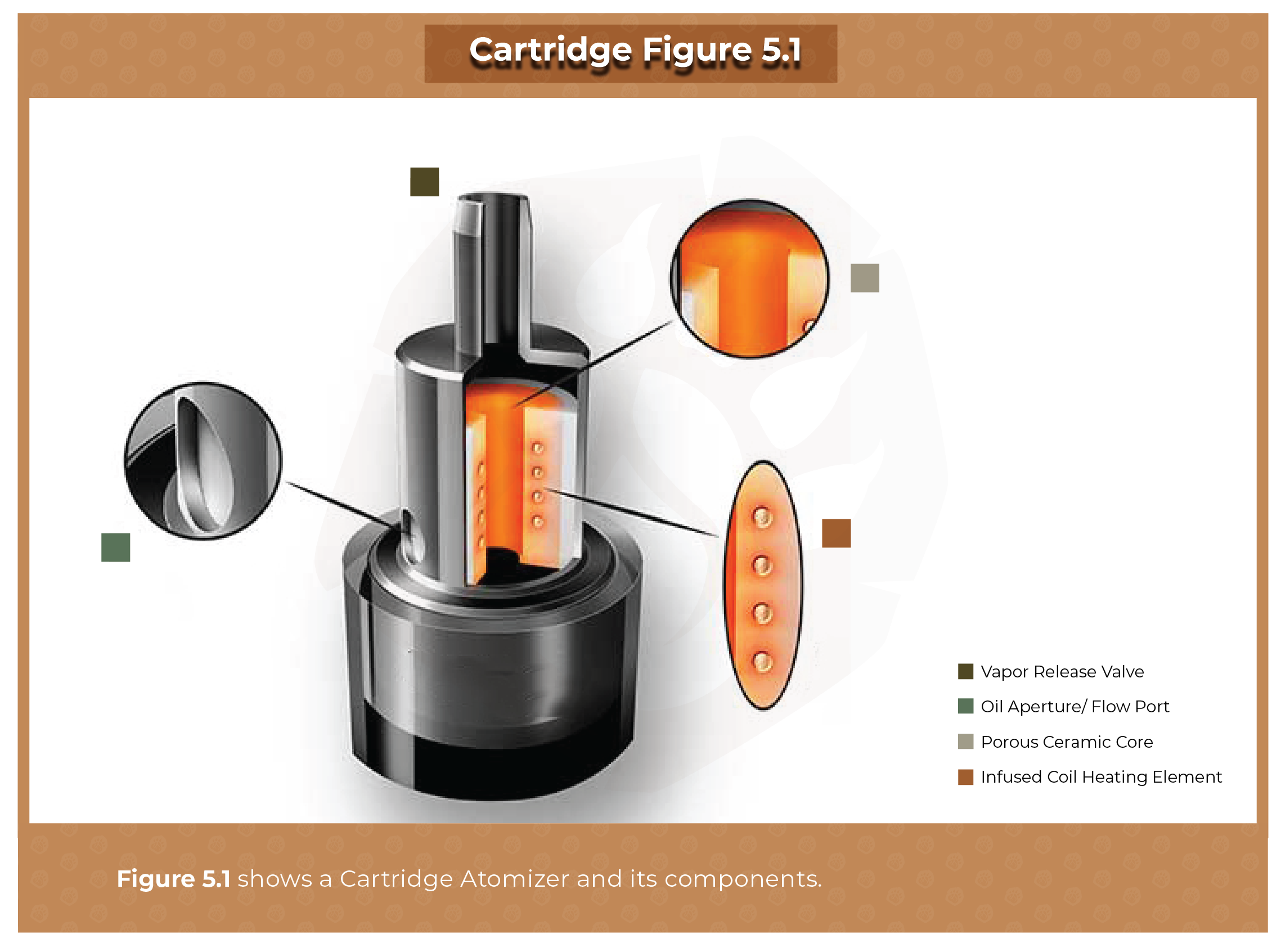
Atomizers and heating coils are crucial. Ceramic is popular as it is a cleaner coil that heats efficiently and lasts longer. Quartz is breaking into the industry as the newest material used for atomizer coils. Since it is not a metal but is conductive and heats evenly, there is little worry of leaching into the oils.
Through Holes & Flow Patterns
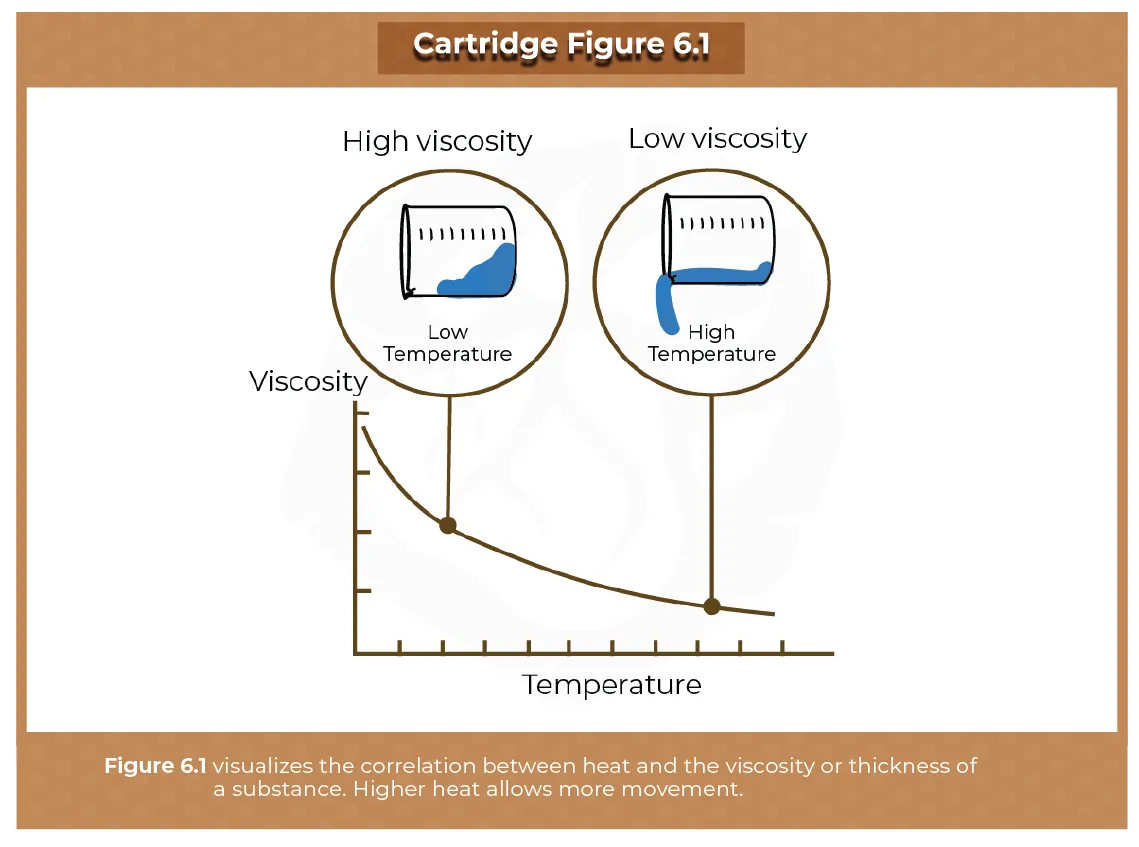
Viscosity is the resistance to movement a liquid has. The thicker the oil, the higher the voltage needed to vaporize it.
Aperture refers to the holes at the bottom of the reservoir. Industry standards are 2.0mm holes. If the concentrate being sold is thinner, a smaller aperture may be used to avoid leakage.
Threading and Base Types
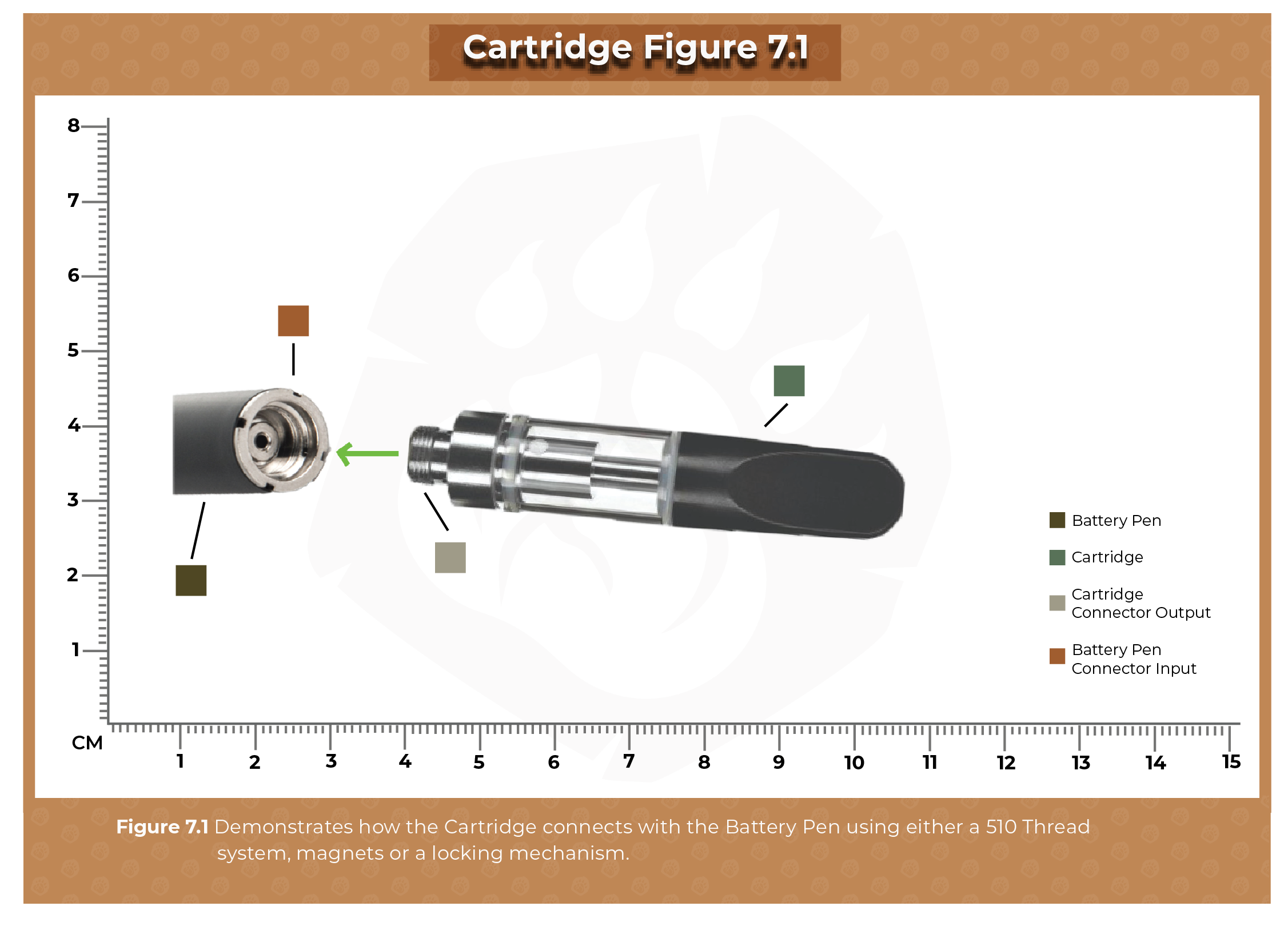
Most manufacturers use a standard 510-thread system. This refers to the screw-on compatibility of the thread on the bottom of the Cartridge and the top of the battery.
Recap
Choosing the right cartridges for your customer comes down to finding that sweet spot between cost and quality that aligns with the brand it represents. Many existing brands prefer to use polycarbonate as the casing because it costs less to make, however, glass tanks are getting more and more popular because they are perceived as the "higher quality" cartridge option.
Find Your Perfect Hardware
Need help selecting the right cartridge specifications for your oil? Our experts are here to help.
About the Author: Tommy La Plant
Tommy is a seasoned expert in vape pen hardware and manufacturing, bringing years of industry experience and a deep understanding of cutting-edge technology to the forefront. Based in Las Vegas, NV, he combines his expertise in illustration and graphic design with extensive knowledge of vape technology.