
Manual vs. Automatic Cartridge Capping Machines

We consider this to be one of the most under-deliberated topics of high importance to the success and scalability of cartridge companies. Cartridge capping machines, the sister machinery to a cartridge filling machine, have significant impacts on cartridge businesses.
There are costs or savings to be had in capital, time, labor, and oil—all to be considered when matching capping machinery to an operation.
Factors to Consider
First, one must consider the size and scale of their operation. A smaller business with small production runs may not need larger, fully automated machines, while larger organizations will require high-volume output.
It's also important to clarify if the mouthpieces being used are screw-on like our Ursa Cartridges or press-on like our Stella Cartridge. This will ultimately impact which machine or machines a business could purchase.
Key Differences Between Machines
Manual Arbor hand presses are the most basic option for capping cartridges. However, this method is time-consuming and requires a dedicated operator. On the other end, automatic capping machines can cap hundreds of units simultaneously.
Manual Arbor Press

- Cost-effective entry point
- Requires dedicated operator
- Risk of inconsistent pressure
- Lower throughput
Automatic Machine
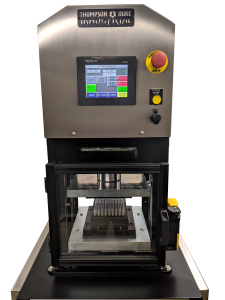
- High volume output
- Consistent force/torque
- Minimal human error
- Higher initial investment
Time Before Oil Degradation
Light, heat, and oxygen all play a role in the flavor and quality an oil will ultimately have. Manufacturers should always try to cap filled cartridges as soon as possible to minimize waste and exposure to oxygen.
When oxygen reaches the THC or has prolonged exposure to it, it begins to break down into CBN (Cannabinol). CBN is less psychoactive than THC and is known for its sedative effects.

Compatibility With Mouthpiece Materials
It's important to have a thorough understanding of which cartridges and mouthpieces you will be using prior to searching out a capping machine.
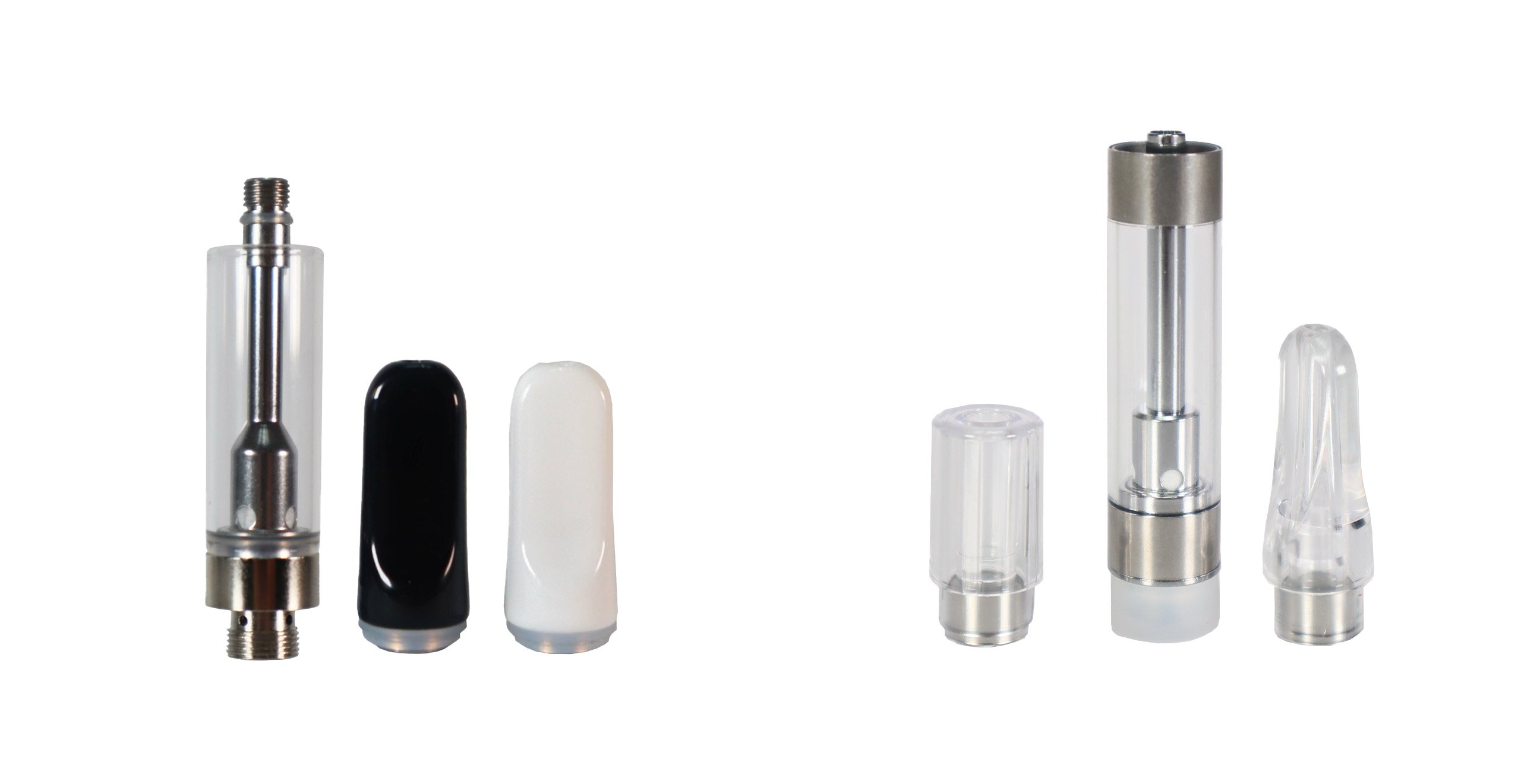
Unfortunately, automated capping machinery is usually built to work with a single type of mouthpiece (press or screw), not usually both.
Is it Time to Upgrade?
Consider Automation When:
- Production goals are consistently missed.
- Wasted product or error rates are too high.
- You need to free up labor for other tasks.
- You have sufficient capital and facility space.
As a smaller business, automating the capping procedure isn't a necessity—it's something that should be considered once the levels of volume, production, and capital investment justify it. Capping cartridges by hand adds a human touch, which can be valuable for craft brands.
Hardware for Every Scale
Whether you're capping by hand or automation, our cartridges are designed for reliability and ease of use.
About the Author: Tommy La Plant
Tommy is a seasoned expert in vape pen hardware and manufacturing, bringing years of industry experience and a deep understanding of cutting-edge technology to the forefront. Based in Las Vegas, NV, he combines his expertise in illustration and graphic design with extensive knowledge of vape technology.